Family medicine
Your routine appointment for anything that is new, worrying, or has not settled on its own. Twenty-five minutes with a clinician who keeps your record.
- From
- £95
- Length
- 25 minutes
- Wait
- Same or next working day
Direct-access assessment and rehabilitation for backs, necks, shoulders and knees. No GP referral needed, and usually no scan either.
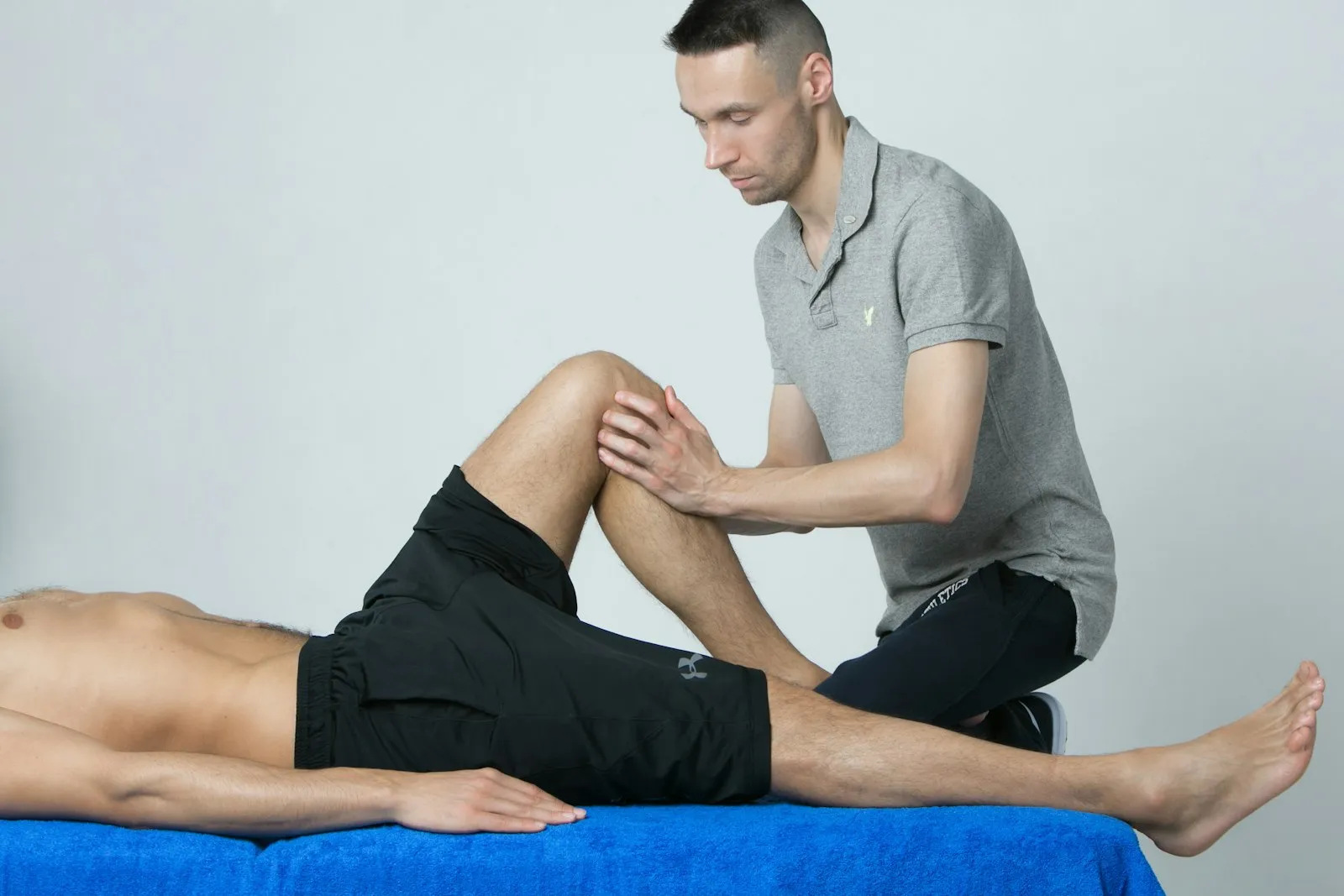
Follow-ups are 30 minutes at £70. Blocks of six follow-ups are £360.
Arun Sandhu runs the physiotherapy service from the gym at Eastfield, in the tall north-lit room that used to hold the composing tables.
For most musculoskeletal problems, coming here first is the right move. A GP appointment in between adds a week and usually ends with the same referral.
This comes up in almost every first assessment, so it is worth stating plainly. Imaging is very good at finding things. It is much less good at finding the thing that is causing your pain, because most of what it finds is present in people of the same age who have no pain at all.
Scanning a back that does not need scanning reliably produces a frightening report, a more cautious patient, and a worse outcome. Where there is a genuine indication — and there sometimes is — we arrange it quickly.
Post-operative rehabilitation for knees, shoulders and hips, working to the protocol your surgeon has set, or building one where they have not.
Step by step
From booking to follow-up, with how long each part takes. No stage of this is a surprise.
You do not need a GP referral, and going straight to physiotherapy is faster and generally produces better outcomes for musculoskeletal problems than a GP appointment first.
Forty-five minutes, and more of it is conversation than people expect. The history tells us what the examination then confirms. We test movement, strength and what actually provokes the pain.
What is going on, in anatomical terms you can follow, and — just as importantly — what is not going on. A great deal of musculoskeletal pain is maintained by a reasonable but wrong belief about what the pain means.
Three or four exercises, not fifteen. Filmed on the day so you can see yourself doing them correctly. Built around the equipment and the time you genuinely have.
Follow-ups at two to three week intervals, progressing load as you tolerate it. Most problems need between three and six sessions. We will tell you when you no longer need us.
Almost certainly not. MRI of the lower back in people with no pain finds disc bulges in a large majority of adults over fifty. Scanning early tends to find incidental changes that were never the problem, and knowing about them makes outcomes worse. We image when there is a specific clinical reason.
The assessment may briefly reproduce your pain, because we need to know what provokes it. We will warn you before anything that might, and you can stop at any point. Rehabilitation itself is usually mildly uncomfortable rather than painful.
Most people need three to six. We will give you an honest estimate at the end of the first assessment, and we would rather discharge you early than keep booking reviews that are not adding anything.
Yes, and it is a particular interest. Pain that has lasted more than three months behaves differently from acute injury and responds to a different approach — graded exposure, pacing, and understanding the mechanism. It is slower work and it does help.
Most policies cover physiotherapy, many without a GP referral. We are recognised by the major UK insurers. Check your excess and session limit before you start, and we will invoice in whatever format your insurer needs.
Your routine appointment for anything that is new, worrying, or has not settled on its own. Twenty-five minutes with a clinician who keeps your record.
Structured reviews for diabetes, blood pressure, asthma, thyroid and heart disease — as one appointment that covers everything, not five that each cover a little.